Home › Services › Diplomatic & consular transportation
Transport for the work of a mission
A diplomatic mission’s transport needs fall into two very different kinds. There is the steady, daily movement of the head of mission and senior staff: residence to chancery, meetings with government and business, receptions and national-day events. And there are the peaks: a ministerial visit, a trade delegation, a royal or presidential trip, a summit week when the whole city is short of vehicles. We plan for both, and we keep them under one coordinator so the mission is not managing two suppliers.
Toronto hosts a large consular corps alongside a concentration of trade and investment offices, and Ottawa is home to Canada’s embassies and high commissions. Our own vehicles and chauffeurs cover Toronto and southern Ontario, including the drive to Ottawa; for missions and delegations moving to Montreal, New York, Washington or further abroad, the same standard is delivered through our accredited affiliates and invoiced by us.
How missions buy it
Yearly contracts for the head of mission
Most consulates and embassies hire a chauffeur for the head of mission on a yearly contract. A named chauffeur and a briefed backup are assigned for the full year, the hourly rate is locked for twelve months, and billing runs monthly against a purchase order. This suits an annual budget allocation and gives the mission one predictable line in its accounts.
Monthly blocks for senior staff
Deputy heads, trade commissioners and senior consular officers often share a monthly block of 80 or 120 hours, scheduled by the mission’s administration officer. Unused hours do not roll over, so the block is sized at the first quarterly review.
Per-visit hire for delegations
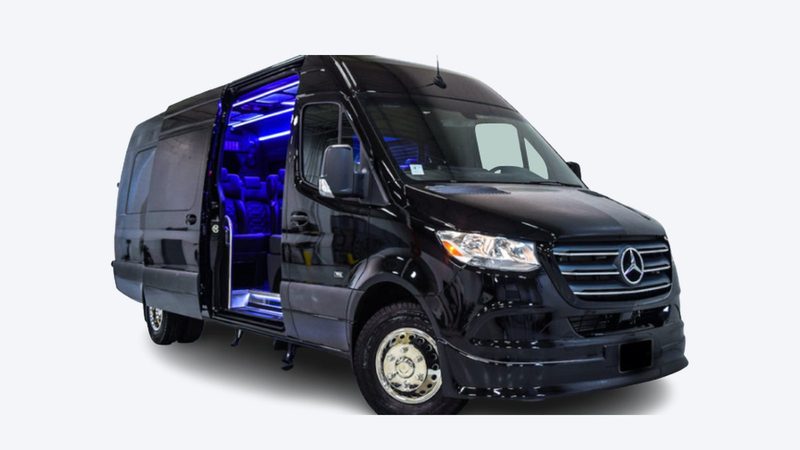
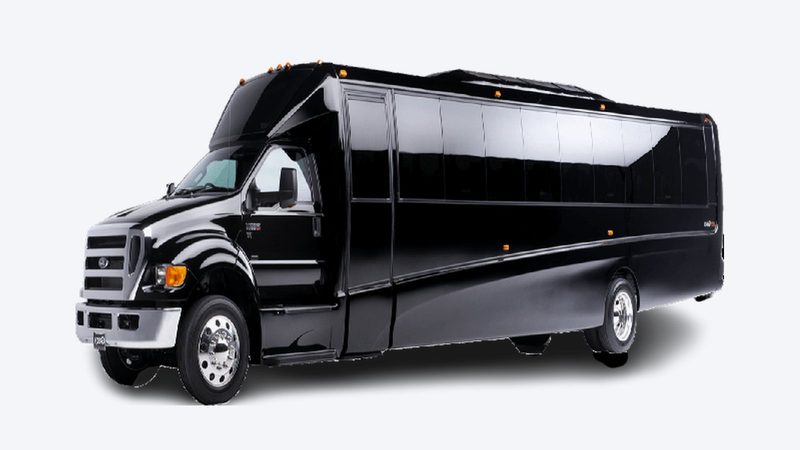
Ministerial and official visits are booked as short-term hire, usually several vehicles for two to five days, with a lead car for the principal, cars for the delegation and a Sprinter or minicoach for staff and press. One coordinator holds the programme, liaises with the mission’s protocol officer and the venue, and resequences the movement plan when a meeting overruns.
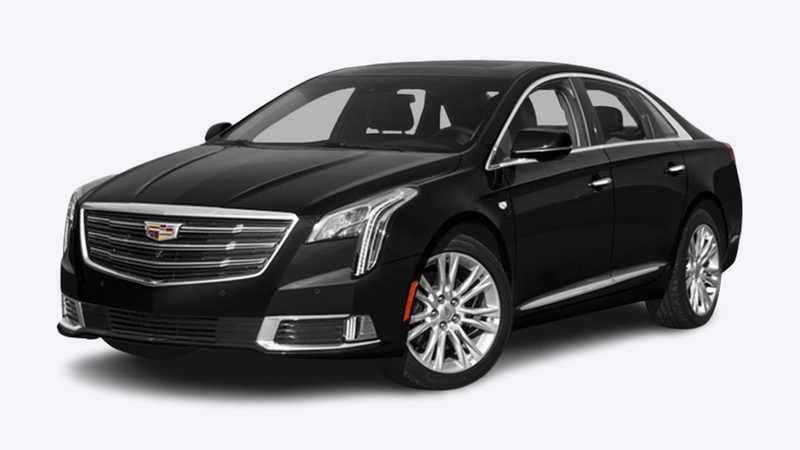
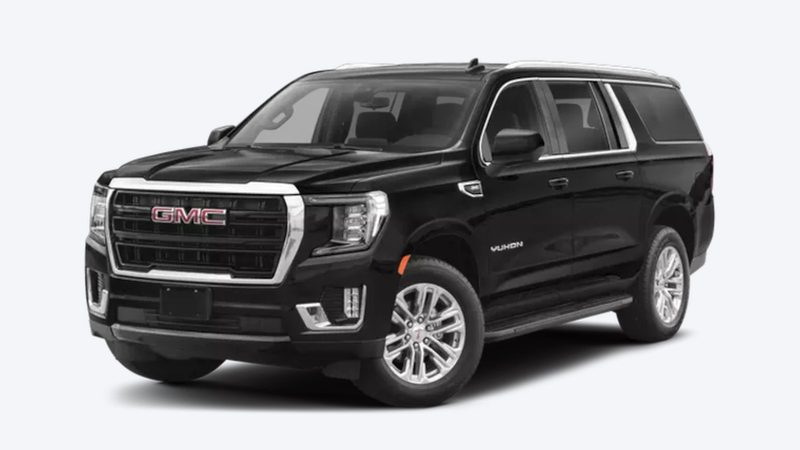
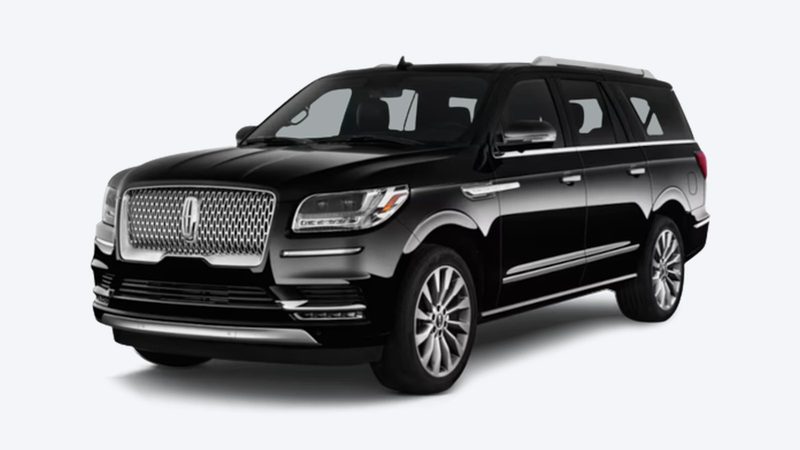
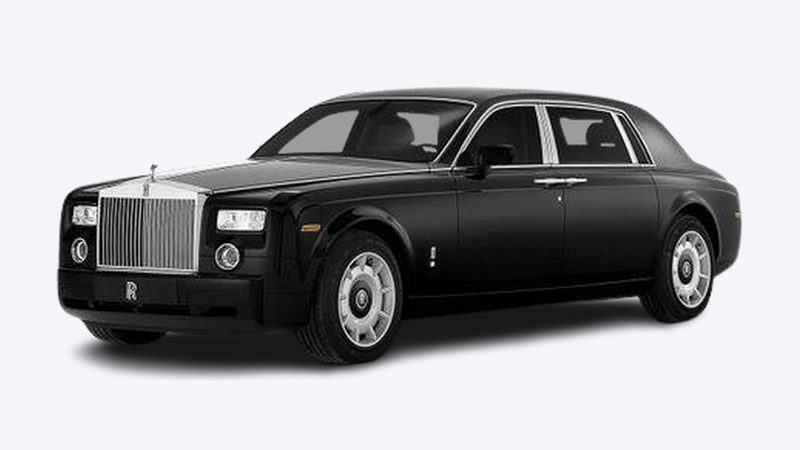
Rates are the published all-in rates in Canadian dollars: $155 an hour in a Business sedan, $185 in an SUV Business Class, $235 in an SUV First Class and $285 in a First-Class Sedan, with taxes and a 20% gratuity included. Out-of-town hours, such as a day in Ottawa from Toronto, are billed at 50% above the city rate, with the chauffeur’s hotel and a $100 travel allowance for overnight work.
| Per hour | Business Sedan | First-Class Sedan | SUV Business Class | SUV First Class | Chauffeur only (your car) |
|---|---|---|---|---|---|
| Within the city | $155 | $285 | $185 | $235 | $95 |
| Out of town (+50%) | $232.50 | $427.50 | $277.50 | $352.50 | $142.50 |
| 10-hour day, within the city | $1,550 | $2,850 | $1,850 | $2,350 | $950 |
| Each km over 150 per day | $3 | $8 | $4 | $4 | n/a (your car) |
| Minimum | Hourly as booked | Hourly as booked | Hourly as booked | Hourly as booked | 4 hours, within the city |

Protocol, precedence and the kerb
Diplomatic transport is judged at the kerb. Our chauffeurs are briefed on the points a protocol officer will notice:
- Order of precedence. Which door the principal uses, who sits where, and the order in which vehicles arrive and depart at a venue.
- Flags. Vehicles are fitted for fender flag mounts. The mission supplies the flags and confirms when they are flown; the chauffeur fits and removes them.
- Motorcade spacing and timing. Where a delegation moves in convoy, vehicles hold position and arrive in sequence, coordinated by radio or phone with the lead car.
- Liaison. Chauffeurs work with the mission’s protocol staff, venue security and, where present, police or diplomatic security details, and follow their direction.
- Language and culture. Chauffeurs with additional languages can be assigned on request, and briefings include the customs the mission asks us to observe.
Confidentiality and security
A mission’s schedule is sensitive information. Every diplomatic account runs under a signed non-disclosure agreement, whether the mission’s or ours, and each chauffeur and dispatcher on the account signs an individual undertaking. The itinerary is visible only to the assigned chauffeurs and the account manager, and passenger names can be replaced with a code on bookings and invoices. Where a principal’s threat assessment calls for it, armored SUVs can be supplied by quote through our armored car service, with chauffeurs trained to work with a protective detail.
Arrivals and departures
Official visitors usually arrive by air. For commercial flights, chauffeurs meet the delegation airside or at the designated protocol area where the airport and the mission have arranged it, and otherwise in the arrivals hall. For government and charter aircraft, vehicles are staged at the FBO before the aircraft blocks in; the ramp procedures we follow are described on our private aviation page. Baggage for a delegation is often heavier than the passenger count suggests, so we size the vehicles to the luggage as well as the people.
The consular calendar
A mission’s busiest transport days are predictable, and we plan for them with the administration officer at the start of the year. National days and receptions bring the head of mission and guests to a hotel ballroom or the official residence in the evening, often with several arrivals to manage at once. Trade missions arrive with business delegations who need to reach factories in Mississauga, Markham or the Waterloo region on the same day as government meetings at Queen’s Park. Election periods in the home country can mean polling-station logistics for consular staff. Large international events in the city, from film festivals to sporting tournaments, bring visiting officials who expect the same standard as the head of mission. Each of these is scheduled into the year’s plan, so vehicles and briefed chauffeurs are reserved before the rest of the city starts competing for them.
For missions whose principals travel between Toronto and Ottawa regularly, we plan the day around the drive rather than treating it as a transfer: the chauffeur stays with the principal in Ottawa, waits through meetings and returns the same evening, which is often faster door to door than flying.
Procurement and vendor registration
We are used to mission procurement. On request we supply rate cards, certificates of insurance, chauffeur vetting summaries and banking details for vendor registration, and we bill against purchase orders on the terms set out in the agreement. Invoices can be issued in the format the mission’s finance section requires, and statements can be split by programme, visit or cost code.
Missions accredited to Canada operate within the framework administered by Global Affairs Canada’s Office of Protocol; missions in the United States, where our affiliates serve consulates in New York and Washington, work within the rules of the U.S. Department of State’s Office of Foreign Missions. Both are linked below for the mission’s reference.